Avoid hidden cleaning charges in Canonbury bookings
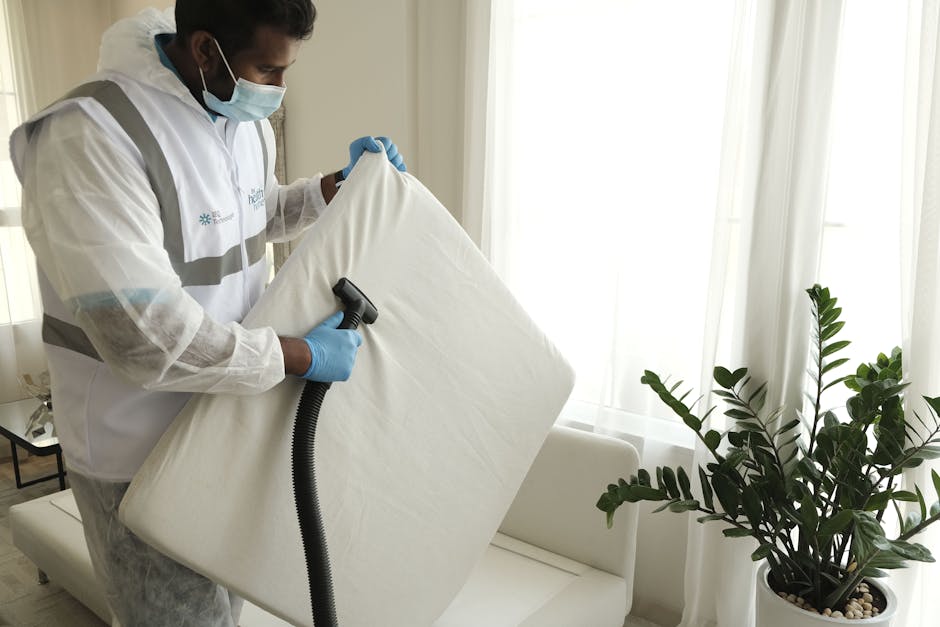
If you've ever booked a cleaner and then spotted extra costs creeping onto the final bill, you'll know how annoying it feels. One minute the price sounds fair, the next you're looking at add-ons for stairs, parking, stain treatment, room size, or "minimum visit" fees. This guide on how to avoid hidden cleaning charges in Canonbury bookings will help you spot those surprises early, compare quotes properly, and book with a lot more confidence.
Canonbury homes and businesses vary a lot. You might be dealing with a compact flat off a busy street, a Victorian terrace with awkward access, or a small office that needs work done outside normal hours. That variety is exactly why pricing needs to be clear. In the sections below, we'll break down where hidden charges usually appear, how to check a quote properly, what to ask before you book, and which service pages to review if you want a cleaner picture of what's included.
Quick takeaway: the safest way to avoid surprise costs is to get the scope, access needs, stain treatment, parking, and aftercare terms confirmed in writing before the job starts. Simple, but it saves a lot of back-and-forth later.
- Why avoiding hidden cleaning charges matters
- How hidden charges usually appear
- Key benefits of transparent pricing
- Who this is for
- Step-by-step guidance
- Expert tips
- Common mistakes to avoid
- Tools, resources and recommendations
- Law, compliance and best practice
- Options and comparison
- Real-world example
- Practical checklist
- Conclusion
- Frequently asked questions
Why Avoid hidden cleaning charges in Canonbury bookings Matters
Hidden charges are not just a budgeting nuisance. They change how you judge value, how quickly you can compare providers, and whether the booking feels trustworthy at all. If a quote looks low at first glance but grows after arrival, the whole job becomes harder to manage. And let's face it, nobody wants a cheerful cleaning appointment turning into a pricing debate at the doorway.
In Canonbury, where people often book around tight schedules, shared entrances, controlled parking, and limited access windows, clear pricing matters even more. A fair quote should reflect the real job, not a vague headline number that gets "adjusted" later. That includes whether the cleaner is pricing by room, by item, by square area, or by condition.
It also matters because cleaning needs vary. A light refresh of a lounge is very different from a heavily used rental property, a pet-stain problem, or a delicate upholstered sofa that needs extra care. If the provider hasn't clarified those details before arrival, you may end up paying more than expected. Or worse, feeling pressured to agree on the spot. Not ideal.
For anyone comparing services, transparent pricing is also a trust signal. A business that explains what's included, what may cost extra, and how it handles unexpected issues is usually easier to deal with from the start. You can see that approach reflected in pages such as pricing and quote information, which should make the booking process feel more straightforward.
How Avoid hidden cleaning charges in Canonbury bookings Works
The process is less mysterious than it sounds. Hidden charges usually appear when there's a gap between the initial quote and the real job conditions. A cleaner may quote using limited information, then add items once they see the property or hear about extra requirements. Sometimes that's reasonable. Sometimes it's just poor quoting. The difference comes down to how clearly everything was discussed beforehand.
Here are the most common points where extra costs creep in:
- Access issues: stairs, long carry distances, secure entrances, limited parking, or time restrictions.
- Item condition: heavy soiling, pet accidents, old staining, or fibres needing gentler treatment.
- Scope changes: more rooms, extra upholstery, curtains, rugs, or mattresses added on the day.
- Specialist treatment: deodorising, stain lifting, sanitising, or deep steam work where it's not included as standard.
- Minimum charges: small jobs that don't meet the provider's minimum booking value.
- Urgency or timing: evenings, weekends, or short-notice appointments.
A clean quote should separate the base service from optional extras. That might mean stating the price per sofa, per room, or per item, then listing what counts as an extra. For example, a standard upholstery clean may not include removing a long-set stain or treating pet odour. If the cleaner is upfront, you can decide whether the add-on is worth it before anyone starts work.
If you're booking a larger domestic or commercial job, the same principle applies to areas like carpets and soft furnishings. The relevant service pages, such as carpet cleaning, sofa cleaning, and upholstery cleaning, can help you understand what the service normally covers.
Truth be told, the best quotes are often the boring ones. They're boring because everything is already spelled out.
Key Benefits and Practical Advantages
Transparent pricing brings practical benefits beyond simply saving money. You get better control, fewer awkward conversations, and a cleaner comparison between providers. That's especially useful if you're booking for a move-out, a rental check, or a client-facing space where time is limited and expectations are high.
Here's what you gain when hidden charges are removed from the equation:
- Easier budgeting: you can plan the full cost before confirming the appointment.
- Better comparison: you can compare like-for-like quotes rather than guess what is missing.
- Less stress on the day: no surprise add-ons when the van is already outside.
- Higher trust: you can judge the provider by clarity, not just price.
- More suitable service: the cleaner can prepare the right equipment and products.
- Fewer disputes: everyone knows what was agreed.
There's also a quality benefit. A provider who asks useful questions before quoting is usually thinking ahead about the actual work, not just about getting the booking. That can improve the result. For instance, if a carpet has a noticeable spill near a doorway, it may need stain-specific treatment rather than a basic freshen-up. You can explore this kind of support through stain removal and, where odour is involved, pet stain odour removal.
One more thing. Transparent pricing is often a sign that the business is comfortable explaining its process. That doesn't guarantee perfection, of course, but it's a good start.
Who This Is For and When It Makes Sense
This topic matters to almost anyone booking a cleaning service in Canonbury, but it's especially relevant if you fit one of these situations:
- You're comparing several quotes and want a fair, apples-to-apples view.
- You live in a flat with restricted access or limited parking nearby.
- You're moving out and need the work done without last-minute surprises.
- You run a small business or office and need invoices to stay within budget.
- You have pets, children, or heavy use, so the clean may be more complex than average.
- You need sofa, rug, mattress, curtain, or upholstery cleaning alongside carpets.
If you're booking for a commercial space, transparency is even more important because multiple people may need to sign off on the cost. In that case, reviewing commercial carpet cleaning alongside the quote can help set expectations before any work is approved. For domestic bookings, the same applies to supporting items like rug cleaning and mattress cleaning.
If you've ever thought, "Why is the quote cheap but the final bill always high?", then yes, this guide is for you. That's usually the exact red flag people notice only after they've been burned once.
Step-by-Step Guidance
Here's a simple process you can use before confirming a booking. Nothing fancy. Just a sensible way to reduce the chance of extra costs later.
- Describe the job in full. Be specific about rooms, items, stains, odours, fabric type, and access conditions. "Two bedrooms and a hallway" is better than "a small clean."
- Ask what is included. Does the quote cover pre-treatment, stain assessment, drying advice, moving lightweight furniture, or only the core clean?
- Ask what costs extra. Parking, difficult access, deep stain work, out-of-hours times, or additional items should be named clearly.
- Confirm the charging method. Is it fixed price, per room, per item, hourly, or condition-based? The method matters. A lot.
- Request written confirmation. Even a short written summary by email or message is better than a phone memory that drifts by the afternoon.
- Check policy pages before booking. Useful pages like terms and conditions, payment and security, and insurance and safety help you understand how the business operates.
- Review any extra-service options. If you need specialist work, look at the relevant service pages before agreeing to anything on arrival.
A useful habit is to ask one direct question: "What would make this price change?" It's simple, but it forces a clear answer. And if the answer is vague, that tells you something too.
Another good habit: compare not just the total price, but the assumptions behind it. Two quotes can look similar while covering very different things. That's how people get caught out.
Expert Tips for Better Results
Here are the practical habits that tend to make the biggest difference, based on what usually causes problems in real bookings.
1. Use photos, but don't rely on them alone
Photos help, especially for stains, fabric condition, and room layout. Still, they rarely show access issues, parking pressure, or how far equipment needs to be carried. A short description alongside the pictures gives a much clearer picture.
2. Separate standard cleaning from problem-solving
Not every mark is a standard clean. Some stains can improve quickly; others need careful treatment and may not fully disappear. If a cleaner promises miracle results without caveats, be cautious. Honest wording is usually more reassuring, even if it sounds less exciting.
3. Check whether the quote assumes empty or furnished rooms
A lightly furnished flat and a completely cleared room are not the same job. If furniture movement is involved, ask whether only lightweight items are included. This matters for carpets, rugs, sofas, and upholstery alike.
4. Ask about drying expectations
Drying time can affect how usable the room is afterwards. It usually doesn't create a hidden charge, but it can affect scheduling. If you need fast turnaround, mention it early so the provider can suggest the right method.
5. Treat "from" pricing as a starting point, not a final answer
Sometimes "from" pricing is fine. Sometimes it is just a teaser. If the wording is too broad, ask for the actual likely price for your exact job. No shame in that.
One small but useful London-specific point: if parking or access is awkward, say so before booking. In dense streets, that can be the difference between a smooth visit and a slightly frazzled one. Been there, seen that, heard the boot slam shut twice.
Common Mistakes to Avoid
Most pricing problems come from a handful of avoidable mistakes. The good news? They're easy to sidestep once you know what to watch for.
- Booking on the cheapest headline price alone. Cheap can be fine, but only if the scope is genuinely the same.
- Leaving out key details. If you forget about the pet odour, stair access, or extra rug, the quote may change later.
- Assuming everything is included. "Deep clean" and "stain removal" are not always interchangeable.
- Not asking about parking. In London, this can be a real cost or a real headache.
- Ignoring the small print. Terms may explain minimum call-out charges or add-ons.
- Agreeing to extras on the spot without checking the price. Pause, ask, confirm. Every time.
It's also easy to forget that some jobs are more complex because of fabric type, staining depth, or room condition. A sofa with food marks, a mattress with sweat staining, or curtains with dust build-up may all need different handling. If those items are part of your booking, check the related pages such as curtain cleaning and sofa cleaning so you know what the service normally focuses on.
To be fair, most surprises are not "tricks." They're just badly explained. But badly explained still costs money.
Tools, Resources and Recommendations
You do not need specialist software to avoid hidden charges. A short checklist and a clear way of recording the quote usually do the job. Still, a few simple tools make life easier.
- Phone notes: keep the agreed price, inclusions, and any exclusions in one place.
- Photos: capture stained areas, access points, and anything likely to affect the quote.
- Room list: write down each room or item to be cleaned so nothing gets forgotten.
- Message history: keep the booking conversation rather than relying on memory.
- Policy pages: review about the company, health and safety policy, and complaints procedure so you know how issues are handled.
Useful recommendations for better bookings:
- Ask for a fixed quote where possible.
- If pricing is conditional, ask what the condition is based on.
- Separate standard cleaning from optional treatments.
- Keep a note of the final agreed scope before the appointment.
- Choose clarity over speed when the job is complex.
If you're concerned about how payments are taken or handled, a page like payment and security can be reassuring. And if sustainability matters to you, it's worth looking at recycling and sustainability as part of your decision-making too.
Law, Compliance, Standards, or Best Practice
For this topic, the most useful thing to remember is simple: clear pricing, honest descriptions, and fair communication are best practice. In the UK, consumer expectations are shaped by common-sense transparency. You should know what you're paying for, what might change the price, and how disputes are handled.
This is where written terms matter. A provider's terms and conditions should explain how quotes work, when extra charges can be applied, and what happens if the scope changes. That doesn't mean every odd situation can be predicted. It just means the rules should not appear from nowhere on the day.
Insurance and safety are also relevant. If a company is working in your home or premises, it should be able to explain how it handles risk, equipment, and accidental damage in a calm, straightforward way. You can usually get a sense of this from pages like insurance and safety and health and safety policy.
There is also a practical compliance point around complaints. Even with a good provider, sometimes things go wrong. A clear complaints procedure is a sign that issues can be raised properly rather than brushed aside. That alone can make a booking feel safer.
No legal drama here, just good business hygiene. And honestly, that's what most people want.
Options, Methods, or Comparison Table
When you're trying to avoid hidden fees, the pricing method matters as much as the headline figure. Here's a simple comparison of the most common approaches.
| Pricing method | How it works | Strengths | Watch-outs |
|---|---|---|---|
| Fixed quote | One agreed price for a defined job | Easy to budget, fewer surprises | Only fair if the scope is described accurately |
| Per room / per item | Charge based on each room, sofa, rug, or mattress | Simple to understand, good for mixed bookings | Extras can appear if accessories or condition aren't included |
| Hourly pricing | Charge based on time spent | Can suit unpredictable jobs | Harder to budget; slow jobs become expensive fast |
| Condition-based pricing | Price depends on soil level, stains, access, and complexity | Can be fair for more complex work | Needs excellent explanation before the visit |
For most people, fixed or clearly itemised pricing is the easiest way to avoid nasty surprises. If the job is a little more complicated, itemised pricing can still work well as long as the extras are explained neatly. Hourly pricing is the one to question most carefully unless the scope is genuinely unpredictable.
Case Study or Real-World Example
Here's a realistic example. A Canonbury tenant books a carpet clean for a living room and a hallway before moving out. The first quote looks attractive, but the tenant also needs a small rug treated, a pet odour issue checked, and a stain near the doorway assessed. The property is on an upper floor, with limited parking nearby and a narrow entry hall.
When the tenant gives the full picture upfront, the quote changes slightly - but importantly, it changes before the appointment. The provider can then confirm the exact scope, include the rug, allow for the access setup, and clarify whether any pet odour treatment is a separate service. Nobody arrives expecting a different conversation later. Much nicer all round.
Now compare that with the less ideal version. The tenant books on the basis of a low headline price, mentions the rug on arrival, and only then learns that stain treatment and pet odour work are additional. Suddenly the booking feels more expensive, even if the final total is not outrageous. That's the emotional part people remember. Not the price itself, but the surprise.
In real life, the clean may still be fine. The tension is the problem. Which is why a little clarity early on pays for itself.
Practical Checklist
Use this checklist before you confirm a Canonbury cleaning booking:
- Have I described every room, item, and surface accurately?
- Have I mentioned stains, pet odours, wear, or delicate fabrics?
- Do I know whether the quote is fixed, itemised, hourly, or conditional?
- Have I asked what is included in the base price?
- Have I asked what could cost extra?
- Have I explained access, stairs, parking, and time restrictions?
- Have I checked the relevant service pages for carpets, sofas, rugs, mattresses, or upholstery?
- Do I have the agreement in writing?
- Have I read the provider's terms and conditions?
- Do I know who to contact if something needs to be queried after the visit?
If you can tick most of those boxes, you're in a strong position. If not, take another minute. That minute can save a lot more later.
Get a free quote today and see how much you can save.
Conclusion
Hidden cleaning charges are usually avoidable. The trick is not to chase the cheapest number, but the clearest one. Ask what's included, ask what changes the price, and make sure the answer fits your property, your items, and your timeline. That alone removes most of the stress.
In Canonbury, where homes and premises can be varied and access is sometimes tight, a proper quote should feel specific, not slippery. If the service is explained well from the start, the whole booking feels easier. Cleaner, calmer, no last-minute wobble.
And if the quote still feels unclear? Trust that instinct. It's usually doing you a favour.
Frequently Asked Questions
What are hidden cleaning charges in Canonbury bookings?
They are extra costs that are not made obvious at the point of booking, such as fees for access, stains, additional items, parking, or out-of-hours work. Sometimes they are legitimate add-ons; the problem is when they are not explained clearly in advance.
How can I tell if a cleaning quote is genuine and fair?
A fair quote usually states what is included, what might cost extra, and how the price is calculated. If the provider can explain the scope in plain English and confirm it in writing, that's a much better sign than a vague "from" price.
Should I always choose the cheapest cleaning price?
Not necessarily. A cheaper quote can be good value, but only if it covers the same work. If one provider has excluded stain treatment, access issues, or extra items, the lower price may not actually be cheaper in the end.
What details should I give before booking a cleaner?
Give the number of rooms or items, the condition of the fabric or carpet, any visible stains or odours, access details, parking restrictions, and whether you need anything special such as deep cleaning or extra protection for delicate materials.
Are parking or access fees normal?
They can be, especially where parking is difficult or equipment has to be carried a long way. The key is that these costs should be explained before the booking is confirmed, not introduced on arrival without warning.
Can stain removal cost more than basic cleaning?
Yes. Basic cleaning and stain removal are often different tasks. Some stains lift easily, while others need specialist treatment, more time, or different products. That is why pages such as stain removal are worth reviewing when the job is more than a routine refresh.
Is deep cleaning the same as steam cleaning?
Not always. "Deep cleaning" is a broad phrase, while steam cleaning refers to a specific method. A provider should explain which process they plan to use and whether it affects pricing or drying time. If you need to understand the method better, steam carpet cleaning can be a useful reference.
What should I check in the terms and conditions?
Look for how quotes are defined, when extra charges may apply, cancellation or rescheduling terms, and any minimum booking value. Clear terms help you understand what happens if the job changes once the cleaner arrives.
Do commercial bookings need different pricing checks?
Usually yes. Commercial jobs can involve larger areas, access restrictions, staggered timing, and more stakeholders approving the cost. Reviewing commercial carpet cleaning helps you think about scope and schedule more clearly.
What if I only need one sofa, one rug, or one mattress cleaned?
Small bookings can still be good value, but they are more likely to attract minimum charges. Check the item pricing carefully and ask whether any additional fee applies before confirming. It's a small question that can save a small headache later.
How do I avoid surprise charges for pet odours or pet stains?
Say upfront that the property has pet-related issues and ask whether odour treatment is included or charged separately. Pet-related work often needs a more specific treatment plan, which is why pet stain odour removal is worth checking before you book.
What if I disagree with an extra charge after the visit?
Stay calm and refer back to the written quote or agreement. If the issue still isn't resolved, the provider's complaints process should set out the next step. That's exactly why it helps to use businesses with clear support pages and straightforward communication.
Can I ask for everything to be confirmed in writing?
Absolutely. In fact, you should. A written summary of the price, inclusions, exclusions, and any access assumptions reduces confusion and gives everyone a shared reference point. Simple, practical, and worth doing every time.
If you want the clean to feel straightforward from the first message to the final bill, the answer is usually the same: ask better questions, insist on clarity, and book the provider that explains things properly. That's the sort of boring detail that makes life easier, and honestly, boring is underrated.