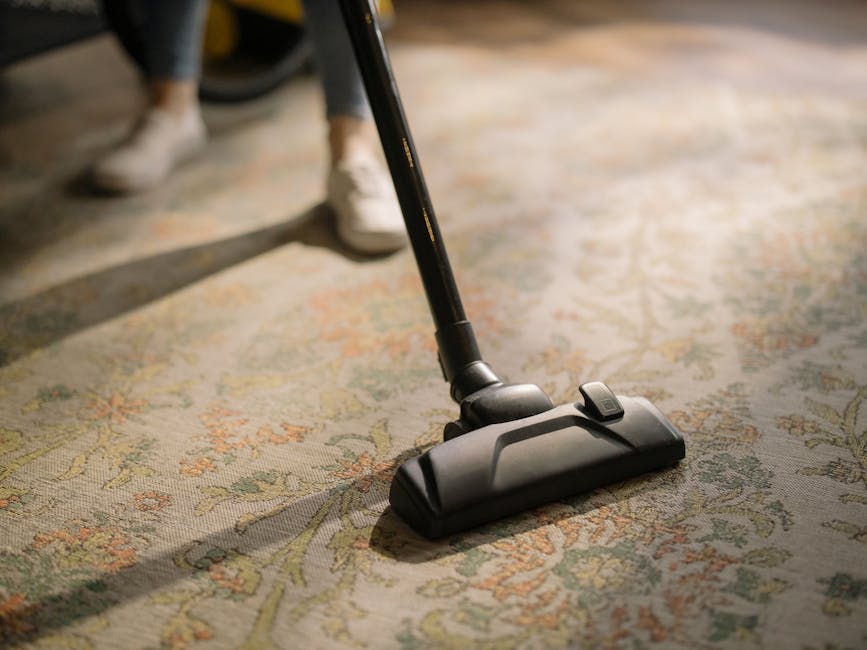
Canonbury Carpet Cleaning guide for period terrace homes N1
Period terrace homes in Canonbury have character in every detail: original floorboards, stair runners that creak a little, thick wool carpets, and the kind of rooms that collect dust in the corners faster than you expect. That charm is part of the appeal, but it also means carpet care needs a more careful hand. This Canonbury Carpet Cleaning guide for period terrace homes N1 is here to help you understand what works, what can go wrong, and how to keep older carpets looking calm, clean, and lived-in rather than tired.
Whether you're dealing with a narrow hallway, a Victorian front room, or a basement sitting room that never quite gets enough light, the right cleaning approach matters. Let's face it, in a terrace house every room seems to have its own little personality. The good news is that with the right method, the right expectations, and a bit of local know-how, you can protect both the carpet and the fabric of the home itself.
Expert summary: Older homes in N1 usually need gentler cleaning, slower drying, and a closer look at fibre type, backing, and moisture sensitivity. In practice, that means careful testing, the right method for the carpet, and no rush jobs.
Below, you'll find a practical, plain-English guide covering methods, benefits, risks, compliance, and a simple checklist you can actually use. If you're comparing services too, it may help to look at the main carpet cleaning service and the specialist steam carpet cleaning option for a better sense of what suits your home.
Table of Contents
- Why this matters for period terrace homes in Canonbury
- How the cleaning process works
- Key benefits and practical advantages
- Who this guide is for
- Step-by-step guidance
- Expert tips for better results
- Common mistakes to avoid
- Tools, resources and recommendations
- Law, compliance, standards and best practice
- Methods comparison
- Real-world example
- Practical checklist
- Conclusion
- Frequently asked questions
Why Canonbury Carpet Cleaning guide for period terrace homes N1 Matters
Period terrace homes are not like modern flats with synthetic carpets and straightforward layouts. In Canonbury, many homes have older construction, layered renovations, and rooms that have seen years of family life. That can mean carpets fitted over uneven subfloors, underlay of different ages, and materials that react differently to heat and moisture.
Why does that matter? Because a carpet is not just a surface. In an older house, it can be part of the room's comfort, acoustics, and even the sense of warmth underfoot. Clean it badly and you may cause edge lifting, shrinkage, lingering damp, or those odd tide marks that seem to appear after a hurried DIY attempt. Clean it properly and the room feels sharper straight away. Softer, too.
There's also the local reality of terrace living. Hallways and stairs in N1 homes take a beating from shoes, pushchairs, pets, and daily traffic. Front rooms might be used less often, which sounds gentle, but stagnant dust and closed windows can leave carpets looking dull in a different way. A thoughtful cleaning approach helps both high-traffic and quieter rooms age more gracefully.
We also need to be honest about the risks. Older wool, wool-rich, or natural-fibre carpets can be sensitive to strong alkalines, over-wetting, and aggressive scrubbing. Even synthetic carpets can behave badly if the backing or adhesive is old. That is why the best cleaning decisions are usually made after checking the carpet's construction rather than guessing from the stain on top.
How Canonbury Carpet Cleaning guide for period terrace homes N1 Works
In practical terms, carpet cleaning for period terraces usually follows a careful sequence: inspect, test, pre-treat, clean, extract or dry, then finish with a proper drying plan. The exact method depends on fibre type, age, condition, and the kind of dirt involved.
Most professional cleaners will begin with a walkthrough. They'll look at wear patterns in entrances and stairs, note any repairs, identify stains, and check whether the carpet is wool, synthetic, or a blend. In a period home, that first five minutes can save a lot of trouble later. A carpet that looks sturdy can still be vulnerable at the edges or under heavy furniture.
Then comes the method selection. For some carpets, a low-moisture or controlled steam approach is best. For others, dry compound methods or more targeted stain removal may be safer. If a homeowner wants the deepest possible refresh, a hot water extraction approach can work well on suitable carpets, but only when the backing, dye stability, and room ventilation support it.
In older terraces, drying matters almost as much as cleaning. A slightly damp carpet in a warm, closed room can become a nuisance very quickly. You may notice a faint smell, cooler-feeling fibres, or longer-than-expected drying around skirting boards and under furniture. Proper airflow, opened internal doors, and sensible room temperature all help. Nothing glamorous, but very necessary.
If pet accidents or odours are part of the picture, it can be worth looking at pet stain and odour removal alongside broader stain treatment. For persistent marks, the dedicated stain removal service can be the right next step.
Key Benefits and Practical Advantages
The benefits go beyond making the carpet look nicer for a week or two. Done properly, cleaning supports the whole room.
- Better appearance: Dirt builds up slowly, so people often stop noticing how dull a carpet has become. A proper clean brightens colour and restores texture.
- Longer carpet life: Grit acts like sandpaper. Removing it reduces fibre wear and can delay replacement.
- Improved indoor freshness: Old dust, spills, pet residues, and everyday grime can all affect the smell and feel of a room.
- More comfortable living spaces: Clean carpet underfoot simply feels better, especially in homes where rooms are used for relaxing and entertaining.
- Safer day-to-day use: A clean, well-maintained carpet is easier to walk on and less likely to have stubborn sticky patches or hidden residues.
There's also a quieter benefit that people in period homes often appreciate: preservation. You are not just cleaning something disposable. You are looking after part of the home's character. That sounds a bit grand, perhaps, but it's true.
And if your home has layered soft furnishings, it may make sense to coordinate carpet care with upholstery cleaning or curtain cleaning. Dust and odour move around a house more than people think.
Who This Is For and When It Makes Sense
This guide is especially useful if you live in a Canonbury terrace and your carpets fall into one of these categories:
- Victorian or Edwardian carpets that need gentle handling
- Stair runners with heavy foot traffic
- Hallway carpets that gather grit from the street
- Rooms with pets, children, or both
- Rental properties where presentation and hygiene both matter
- Older carpets that look flat, dusty, or slightly musty
- Homes with seasonal dampness or limited ventilation
It also makes sense if you are trying to decide between refreshing one room and booking a full-house clean. For example, many people start with the hallway and stairs, then realise the front room has quietly been waiting its turn for years. Very normal. Happens all the time.
If the carpet is valuable, handwoven, or delicate, the decision needs more care. A rug specialist may be a better fit for small movable pieces, which is where rug cleaning becomes relevant. A fitted carpet, by contrast, usually needs site cleaning with the room, subfloor, and ventilation all considered together.
Step-by-Step Guidance
Here's a practical way to approach carpet cleaning in a period terrace without overcomplicating it.
- Identify the carpet type. Wool, synthetic, and blends all behave differently. If you don't know, look for old installation notes or ask a professional to test a hidden section.
- Check the condition of the room. Look for loose edges, stains, old repairs, or signs of damp. A carpet in good shape can still have hidden weak spots.
- Vacuum thoroughly. Not a quick once-over. Go slowly, especially in hallways and stairs where grit sits deeper in the pile.
- Pre-treat specific stains. Food spills, muddy footprints, and pet marks usually need targeted treatment before the full clean starts.
- Choose the right method. Low-moisture, steam, or extraction all have their place. The best one depends on the fibre and the room.
- Clean in sections. That helps control moisture and avoids missed areas, especially in awkward terrace layouts.
- Use careful drying support. Open doors, improve airflow, and avoid putting heavy furniture back too soon.
- Inspect after drying. Check for tide marks, remaining stains, or any smell that suggests the carpet needs a second look.
A tiny but useful detail: if you are cleaning a staircase, work from top to bottom and make sure the landing gets proper attention. Stairs are where dirt quietly collects, and then somehow looks dramatic after cleaning if the rest of the home is neglected. Bit unfair, really.
If you are considering professional help, it is sensible to read up on pricing and quotes so you know what affects cost, and to review insurance and safety before anyone starts moving equipment through a narrow hallway.
Expert Tips for Better Results
Small decisions make a bigger difference than people expect.
- Test hidden areas first: Especially with older dyes or faded patch repairs, a tiny test can prevent a visible mistake.
- Don't chase every stain aggressively: Overworking one spot can damage the pile and make a patch look worse than the original mark.
- Mind the room temperature: A slightly warmer room with good airflow usually dries better than a cold, closed one.
- Protect skirting boards and furniture legs: In period terraces, older woodwork and finishes can be sensitive to damp or accidental drips.
- Clean before a deep seasonal reset: Many homeowners find late spring or early autumn ideal, when windows can be opened and the weather is more forgiving.
There's also a behavioural tip that's surprisingly effective: stop the dirt at the door. A decent mat, a shoe-off habit, and quick spot treatment do more than people think. Not exciting, but practical. Very practical.
If you have a larger home office or a side room used for business purposes, you may also want to consider commercial carpet cleaning for heavier-use zones. It's the same house, but the wear pattern can feel very different.
Common Mistakes to Avoid
Most carpet problems in older homes come from trying to do too much, too fast.
- Using too much water: Over-wetting can lead to long drying times, watermarking, or backing damage.
- Scrubbing stains hard: That can spread the mark and fray the pile.
- Skipping a pre-vacuum: Loose grit turns cleaning into mud. Not ideal.
- Using harsh household chemicals: Some products bleach colour, leave residue, or upset wool fibres.
- Replacing furniture too early: Heavy legs can crush damp pile or leave marks.
- Ignoring odour sources: If the smell is from underlay, spill migration, or pet contamination, surface cleaning alone won't fix it.
One of the biggest mistakes in period homes is assuming all carpets are broadly the same. They aren't. A carpet that behaves perfectly in a modern new-build can be awkward in a terrace with older floor layers and less predictable ventilation. That's the sort of detail that saves headaches.
Tools, Resources and Recommendations
You do not need a van full of specialist gear to care for carpets properly, but a few tools help a great deal.
| Tool or resource | What it helps with | Best use in period terraces |
|---|---|---|
| Good-quality vacuum with strong suction | Removing grit before cleaning | Hallways, stairs, and front rooms with heavy dust |
| Microfibre cloths | Blotting spills without pushing them deeper | Fresh stains near skirting or under furniture |
| Carpet-safe pre-treatment | Breaking down stains before the main clean | Food marks, drink spills, tracked-in grime |
| Air movement and ventilation | Improving drying time | Rooms with limited windows or cooler north-facing spaces |
| Professional inspection | Matching method to fibre and backing | Delicate or older fitted carpets |
If you want a fuller home-textile refresh, it may be useful to bundle services. For example, mattress cleaning can be a sensible companion task in bedrooms, while sofa cleaning helps living spaces feel coherent rather than half-fresh, half-dull.
For sustainability-minded households, it can also be worth looking at recycling and sustainability to understand how waste, cleaning products, and service choices are handled. A little boring on paper, perhaps, but useful in real life.
Law, Compliance, Standards and Best Practice
For homeowners, the main concern is usually not legal complexity but safe, responsible practice. Still, it helps to know what good professional conduct looks like in the UK context.
Reputable carpet cleaning work should involve sensible risk assessment, safe handling of equipment and solutions, and clear communication about any limitations. In homes with older finishes, care around moisture, cables, stairs, and furniture movement matters. If a provider is working in your property, they should be able to explain how they manage safety and what precautions they take. That is just basic professionalism, really.
In a period terrace, best practice also means:
- testing for colour fastness before broad cleaning
- avoiding unnecessary saturation
- explaining drying expectations honestly
- protecting fragile trim, woodwork, and adjoining surfaces
- being clear about what can and cannot be removed safely
If you are comparing providers, it is fair to check their public policies and approach to service standards. Pages such as health and safety policy, terms and conditions, and complaints procedure can help you judge whether the business communicates clearly. That kind of transparency is a good sign.
And while not every job needs a formal checklist, every job should have one in spirit. Careful inspection, method matching, and drying control. Simple, but not simplistic.
Options, Methods, or Comparison Table
Different homes need different approaches. Here's a straightforward comparison of common cleaning methods for period terrace carpets.
| Method | Strengths | Watch-outs | Best for |
|---|---|---|---|
| Hot water extraction / steam cleaning | Deep clean, strong soil removal, good for traffic lanes | Can over-wet delicate carpets if used carelessly | Durable fitted carpets with good ventilation |
| Low-moisture cleaning | Faster drying, less risk to older rooms | May not remove very deep contamination | Older homes, wool blends, busy households |
| Dry compound cleaning | Very limited moisture, useful where drying is tricky | May need more mechanical action and careful removal | Sensitive carpets or rooms that must be used quickly |
| Spot and stain treatment | Targets individual marks without full-room cleaning | Not enough on its own for overall freshness | Recent spills, isolated problem areas |
To be fair, no method wins every time. The right one depends on the fibre, the room, and the level of grime. For a damp-prone basement room, low-moisture cleaning may beat a deeper wet process. For a family room with old drink marks and heavy traffic, extraction could be the better choice. Context always beats guesswork.
Case Study or Real-World Example
A typical Canonbury terrace scenario goes like this. A homeowner has a narrow hallway, a front reception room, and a steep staircase carpeted years ago in a wool blend. The hall looks a little grey, the stairs have a worn central path, and there's a faint odour after winter when the windows stayed shut for weeks.
Instead of jumping straight into a heavy wet clean, the process starts with inspection. The stair carpet is checked for loose edges and old joins. A hidden patch near the doorway is tested for colour transfer. The hallway gets a deep vacuum first because grit has worked into the pile. Only then is the actual cleaning method chosen.
The result? Cleaner colour, less flattening, and faster drying because the room doors are left open and the furniture is moved only after the carpet has settled. Nothing dramatic. Just a better outcome than a rushed one.
That kind of job is common enough in terrace homes. The important thing is not chasing perfection at the expense of the carpet itself. A good clean should make the home feel cared for, not over-processed. There's a difference, and once you see it, you spot it everywhere.
Practical Checklist
Use this before any carpet cleaning appointment or DIY attempt in a period terrace.
- Vacuum thoroughly, including edges and stairs
- Identify carpet fibre if possible
- Note any stains, odours, or worn patches
- Move fragile items out of the way
- Test an inconspicuous area first
- Confirm the likely drying time
- Improve airflow by opening doors or windows where safe
- Keep pets and children away from damp areas
- Avoid putting heavy furniture back too quickly
- Inspect the carpet again once dry
If you are not sure where to start, begin with the hallway. In period terraces, that single space often tells you everything you need to know about the rest of the carpet. Dust, wear, foot traffic, even the likely cleaning method. Oddly revealing, really.
Before booking, it can also be worth checking payment and security so you know how transactions are handled, and reviewing about us if you want a better sense of the company's approach and values.
Get a free quote today and see how much you can save.
Conclusion
Cleaning carpets in Canonbury period terrace homes is less about brute force and more about judgement. The best results usually come from careful inspection, the right method, and enough drying time to let the room settle properly. That is especially true in older N1 homes where carpets may be fitted over original floors, uneven surfaces, or ageing underlay.
If you remember only one thing from this guide, make it this: the carpet's age, fibre, and condition should shape the cleaning plan. Not the other way around. That mindset protects the carpet, protects the room, and saves you from a lot of avoidable hassle.
And honestly, once a period terrace has clean carpets, the whole place lifts. The hallway feels brighter, the stairs feel easier to live with, and the rooms start to breathe again. A small change, but a proper one.
Frequently Asked Questions
What is the best carpet cleaning method for period terrace homes in Canonbury?
There is no single best method for every home. For older wool or wool-blend carpets, low-moisture cleaning or carefully controlled extraction is often safer than an aggressive wet clean. The right choice depends on fibre, backing, stain type, and how quickly the room needs to be usable again.
Can steam cleaning damage older carpets?
It can if it is used carelessly. The issue is usually too much moisture or too much heat for the carpet's age and construction. Used properly on a suitable carpet, steam or hot water extraction can work well, but older homes need testing first.
How long does a carpet usually take to dry in a period terrace?
Drying time varies with method, ventilation, room temperature, and how much moisture was used. A well-ventilated room may dry relatively quickly, while a cooler or more enclosed terrace room can take longer. It is better to plan for extra drying time than to rush furniture back in.
Are wool carpets common in Canonbury period homes?
They are certainly common enough to require careful handling. Many older homes use wool or wool-rich carpets because they suit the character of the property and feel good underfoot. They also need gentler cleaning products and more careful moisture control.
Should I clean the hallway and stairs first?
Often, yes. Hallways and stairs usually carry the most grit and show wear fastest. Cleaning these areas first gives you the biggest visual improvement, and it helps protect the parts of the home that are under constant foot traffic.
How do I deal with pet odours in an older carpet?
Pet odours can sit in the pile, underlay, or even the backing. Surface cleaning alone may not be enough. A targeted treatment approach, such as specialist pet stain and odour removal, is usually more effective than a general clean on its own.
Is DIY carpet cleaning a bad idea in a period terrace?
Not always, but it can be risky if you use too much water or the wrong product. DIY is usually fine for light maintenance and fresh spills. For older carpets, delicate fibres, or stubborn stains, a professional assessment is safer.
What should I ask before booking a carpet cleaner?
Ask what method they plan to use, whether they test for colour fastness, how long drying is likely to take, and how they handle older or delicate carpets. It is also sensible to ask about insurance, safety, and what happens if a stain cannot be fully removed.
Can cleaning help reduce dust in the home?
Yes, a proper clean can remove embedded dust, grit, and residue trapped in the pile. That said, cleaning is not a replacement for regular vacuuming. Think of it as a reset, not a miracle cure. Helpful, though.
How often should carpets be cleaned in a period terrace home?
It depends on use, pets, children, and how much outdoor dirt comes in. High-traffic areas may need attention more often than spare rooms. A sensible approach is regular vacuuming with deeper cleaning when the carpet starts to look dull, feel sticky, or hold onto odours.
Do I need to move furniture before the cleaners arrive?
It helps if smaller items are moved beforehand, but many providers will work around furniture with a plan. Large or fragile pieces are best discussed in advance. In older terrace homes, moving furniture carefully is part of avoiding scuffs and accidental damage.
Where can I find more service information before booking?
You can review service details, policies, and practical information across the site, including carpet care, stain help, safety, and service terms. If you want to explore related services, the most relevant pages are the main carpet service, stain removal, and insurance and safety information.