Canonbury Square upholstery cleaning case study before and after: a practical look at what changes, what doesn't, and why it matters
If you have ever looked at a tired sofa, dining chair, or occasional armchair and thought, "It used to look so much better than this," you are in the right place. A Canonbury Square upholstery cleaning case study before and after is useful because it shows more than a polished final result. It helps you understand what professional upholstery cleaning can realistically do, where the limits are, and how to judge whether a clean is worth booking in the first place.
In a neighbourhood like Canonbury Square, where homes often balance period features with modern living, upholstered furniture tends to carry everyday life very visibly: lunch crumbs, pet hair, armrest shine, drink marks, dust, and the slow dulling that happens when fabric sees a lot of use. Truth be told, that build-up is often more obvious once daylight hits the room. This article walks through the before-and-after story in a sensible, practical way, so you can make a better decision with fewer guesses.
We will cover how upholstery cleaning works, what to expect from the process, common mistakes to avoid, and how to tell whether a cleaner approach is suitable for your fabric. You will also find a checklist and a straightforward comparison table later on. No fluff. Just the useful stuff.
Why Canonbury Square upholstery cleaning case study before and after Matters
Before-and-after content matters because upholstery cleaning is one of those services people often judge too quickly. A photo can show the finish, sure, but it cannot show the fabric type, the amount of soil removed, the care taken around seams, or whether the cleaner used a method appropriate for the item. That is why a case-study style article is helpful. It gives context.
For local homeowners, landlords, and even small businesses in Canonbury Square, the question is usually not "Can it be cleaned?" but "Will it look better, smell fresher, and still be safe for the fabric?" That is a very different question. And a better one, to be fair.
Upholstery is not like hard flooring. Fabric can hold dust, body oils, food residue, odours, and sometimes stains that have settled in over months. A professional clean can often make a sofa or chair look brighter, feel fresher, and sit better in the room again. But it should also be judged by how well it protects the material. If the fabric is delicate, over-wetting can be a real problem. If the stain has chemically changed the fibres, even a careful clean may only lighten it rather than erase it completely.
That balance between improvement and realism is exactly why case studies are valuable. They help you set sensible expectations. They also help you spot the difference between a trustworthy service and a page that promises impossible perfection. Nobody needs that kind of sales pitch.
There is another reason this topic matters locally: many Canonbury Square properties have mixed-use furniture, with older pieces that are worth preserving rather than replacing. In those cases, cleaning can be a cost-conscious, less wasteful option. If sustainability matters to you, it is worth looking at how a service approaches care and disposal, as well as whether they talk openly about recycling and sustainability in their wider practice.
For a broader view of fabric care across the home, you may also want to look at the company's upholstery cleaning service and related specialist pages such as sofa cleaning, stain removal, and pet stain odour removal.
How Canonbury Square upholstery cleaning case study before and after Works
The process behind a good upholstery clean is usually less dramatic than people imagine, but that is part of why it works. Proper cleaning starts with identification: fabric type, condition, staining, colourfastness, and any weak stitching or worn areas. You do not want a one-size-fits-all approach here. That is where mistakes happen.
In a typical before-and-after scenario, the cleaner begins with inspection and dry soil removal. Loose dirt, crumbs, pet hair, and dust are removed first because if you skip that stage, you can just turn dry grit into muddy residue. Not ideal. Then comes spot testing. A small hidden area is checked to make sure the fabric will tolerate the selected solution and method.
From there, the cleaning method may involve low-moisture extraction, hot water extraction where suitable, or targeted stain treatment. The exact method depends on the upholstery material, the type of soiling, and how much drying time is acceptable. In many homes, a well-managed cleaning session will include:
- a careful pre-inspection
- vacuuming and dry soil removal
- pre-treatment of stains and traffic areas
- fabric-safe agitation where needed
- controlled cleaning or extraction
- detail work on seams, piping, and armrests
- final grooming and drying advice
The before-and-after difference is often easiest to see on armrests, seat fronts, headrests, and other contact points. That is where body oils and everyday use build up fastest. The colour may look deeper, the texture more even, and the room can suddenly feel lighter. Not brand-new, usually, but properly refreshed.
It is also worth saying that odour changes can be just as important as visual changes. A sofa can look only moderately marked and still carry a stale, slightly heavy smell from dust or pets. Once cleaned correctly, that scent can lift in a very noticeable way. You know it when you walk back into the room after a few hours. The air just feels cleaner.
For readers weighing method and fabric care, it can help to compare services against the cleaner's broader approach to fabric and moisture management. Pages like steam carpet cleaning and mattress cleaning are useful because they show whether the business understands controlled moisture, stain breakdown, and hygiene-sensitive cleaning in other soft furnishings too.
Key Benefits and Practical Advantages
A strong before-and-after result should do more than look nice in photos. It should improve how the furniture lives in your home. That is the practical measure that matters most.
The main benefits usually include:
- Better appearance: lifted marks, reduced dullness, and a fresher overall finish.
- Improved comfort: fabric often feels cleaner and less sticky, especially on heavily used seating.
- Reduced odour: useful for pet households, families, and spaces with limited ventilation.
- Extended furniture life: regular cleaning can slow down visible wear and fibre breakdown.
- More presentable interiors: especially useful before visitors, tenancy changes, or special occasions.
- Better value than replacement: a good clean can buy time before you need to reupholster or replace items.
There is also a less obvious advantage: cleaning often reveals the true condition of the upholstery. Sometimes what looks like permanent damage is actually a build-up of soil. Other times, a stain remains after cleaning but the surrounding fabric becomes much brighter, which can make the whole item look more balanced. That distinction helps you decide whether to keep, recover, or replace it.
For a home in Canonbury Square, where furniture may be chosen for style as much as practicality, that can make a real difference. A chair does not need to be perfect to be worth saving. Sometimes "much better" is exactly the win you needed.
Expert summary: The best upholstery cleaning results are the ones that improve appearance, freshness, and fabric care together. A before-and-after should show real restoration, not just surface gloss.
Who This Is For and When It Makes Sense
This kind of upholstery cleaning is useful for more people than you might think. It is not only for obviously dirty sofas. In fact, some of the best times to book are before the furniture looks disastrous. That sounds counterintuitive, but it is often true.
You may benefit from a professional clean if you are:
- a homeowner wanting to refresh a living room set
- a tenant or landlord preparing for check-out or re-let
- a parent dealing with snack marks, spills, and sticky arms on chairs
- a pet owner managing fur, odours, and the occasional accident
- someone with allergy concerns who wants to reduce embedded dust
- hosting guests and wanting the room to feel genuinely presentable
- a small office or studio with upholstered seating that is starting to look tired
It makes sense when the furniture is structurally fine but visually or hygienically let down by daily use. If the frame is damaged, the springs are gone, or the fabric is splitting, cleaning will not solve that. But if the item is still sound, cleaning is often the smarter first move.
A useful rule of thumb: if the stain is on the surface, or if the problem is general dullness, body soil, and odour, cleaning is often worth trying. If the issue is severe fading, dye transfer, burns, or fibre damage, expectations need to be more cautious.
Commercial spaces can also benefit, especially where seating forms part of a first impression. For offices, waiting areas, or hospitality settings, upholstery tends to communicate care or neglect very quickly. If that sounds familiar, a look at commercial carpet cleaning can be useful too, since soft furnishings and floor care often need to be planned together.
Step-by-Step Guidance
If you are trying to understand what a proper upholstery clean should look like, here is the practical flow. It is simple on paper, but attention to detail is what separates decent work from disappointing work.
- Inspect the furniture carefully. Check fabric type, discolouration, wear, and any loose threads or damaged seams. This tells the cleaner what not to do, which is just as important as what to do.
- Test in a hidden area. A small, discreet spot is checked first. This is standard good practice and should never be rushed.
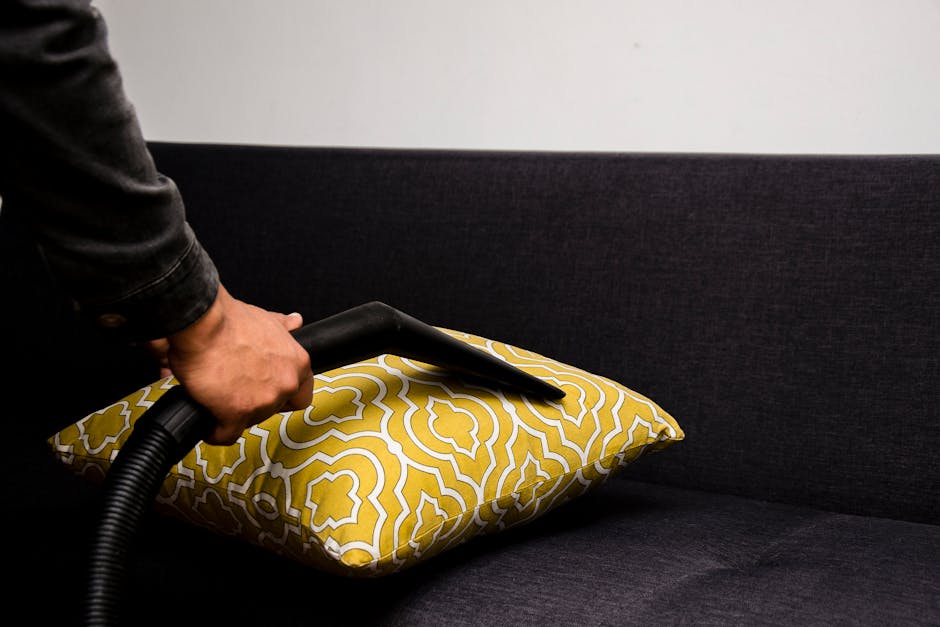
- Remove dry soil. Vacuuming and grooming remove dust, crumbs, and hair before any moisture is introduced.
- Pre-treat marks and traffic areas. Body oils, drink spills, and visible stains are treated individually. There is no magic spray for every stain, despite what the bottle may suggest.
- Clean with the right moisture level. The fabric determines whether low-moisture cleaning, extraction, or another method is suitable.
- Work around edges and detail points. Seams, buttons, piping, and under-cushion areas often need slower, more careful work.
- Finish and review. The item should be checked for remaining marks, uneven drying, or any areas that need a second pass.
- Dry properly. Good airflow matters. Sometimes the difference between a good result and a soggy one is simply patience.
That is really the heart of the before-and-after story. The "before" usually includes dullness, marks, and a bit of lived-in heaviness. The "after" should look cleaner, feel lighter, and smell fresher, while still respecting the fabric. If the cleaner leaves the room damp for too long, that is a warning sign, not a bonus feature.
For context on business practices and what to expect before booking, it is sensible to read the company's pricing and quotes information, along with their insurance and safety page. Those details help you judge whether the service is set up with care, not just speed.
Expert Tips for Better Results
Here is the honest version: upholstery cleaning results improve a lot when the homeowner does a few things before the appointment. Small preparations make a real difference. They save time too, which everyone likes.
- Tell the cleaner about the stains in advance. A red wine mark is not the same as a greasy food stain or a pet accident.
- Point out fading or weak areas. If a fabric has already worn thin, the cleaner needs to know before they touch it.
- Move fragile items away. Lamps, side tables, and decorative objects nearby can get in the way.
- Improve airflow. Open a window if weather allows, and keep the room usable for drying.
- Do not try multiple DIY products first. Mixing household cleaners can make stains harder to remove, and sometimes worse. Much worse.
- Ask what method will be used. A trustworthy cleaner should explain it in plain English.
One small but important tip: take a "before" photo in natural light. Morning light or early afternoon light tends to show marks more honestly than warm lamps do. Then, after the clean, compare the same angle. The difference is often clearer than memory alone.
Another practical point is to manage expectations around old stains. Some marks are not dirt anymore; they have altered the fibre or the dye. A good cleaner may reduce them significantly, but not erase them completely. That is not failure. It is fabric science doing its thing.
If your home includes more than one soft furnishing type, it may be worth aligning upholstery work with related items such as curtain cleaning or rug cleaning. Doing everything at once can create a more consistent feel across the room, which people notice even if they cannot explain why.
Common Mistakes to Avoid
Most poor results do not come from one giant mistake. They come from several small ones piling up. The good news? Most of them are avoidable.
- Choosing by price alone. Cheap is only cheap if the fabric survives the job. Otherwise it becomes expensive in a hurry.
- Assuming every fabric can be cleaned the same way. Velvet, linen, synthetic blends, and natural fibres all behave differently.
- Over-wetting the fabric. This can leave rings, slow drying, or even internal wicking where soil rises back up.
- Scrubbing stains aggressively at home. That can distort the pile and spread the mark.
- Ignoring odour sources. A surface clean will not fully solve pet or spill-related smells if the source has soaked deeper.
- Expecting instant perfection on aged furniture. Some items improve dramatically. Others improve modestly. The honest cleaner should say so.
One more mistake, and this one is common: forgetting to ask about drying time. If you need the room back quickly, say so. A clean that looks good but causes inconvenience for a full day may not fit your situation. Better to ask upfront than to do the awkward sofa shuffle at 9pm. Been there, or at least we have all seen it happen.
Tools, Resources and Recommendations
You do not need a warehouse of equipment to understand or maintain upholstered furniture, but a few sensible tools help. For everyday care, a decent vacuum with an upholstery attachment is the biggest win. It removes dry dust before it becomes embedded in fibres.
Useful home-care items include:
- an upholstery brush attachment
- a soft microfibre cloth for gentle blotting
- a clean, white towel for absorbing moisture
- fabric-safe spot treatment used carefully and sparingly
- good lighting so you can see what you are actually dealing with
In a professional context, the cleaner may use pre-sprays, stain-specific solutions, controlled extraction equipment, and fabric grooming tools. None of that matters much if the operator does not know how to read the fabric and adjust on the spot. Tools help, but judgment is what gives them value.
If you are comparing services, useful supporting pages include the company's about us page for background and its terms and conditions for the practical details of service expectations. It is not the glamorous reading, admittedly, but it tells you a lot about how the business operates.
Law, Compliance, Standards, or Best Practice
Upholstery cleaning is not usually a heavily regulated service in the way some specialist trades are, but there are still important best-practice expectations. A professional cleaner should work safely, communicate clearly, and avoid damaging the property. In the UK, that usually means sensible attention to insurance, risk assessment, product handling, and customer care.
From a best-practice point of view, three things matter most:
- Fabric safety: the cleaning method should match the material, not the other way round.
- Clear communication: you should know what results are realistic before work begins.
- Responsible handling: chemicals, water, and equipment should be used with care around floors, electrics, and nearby furnishings.
It is also reasonable to expect a business to have transparent policies around health and safety, privacy, and payments. These are not just admin pages. They are part of trust. If a company is clear about how it works, how it handles your data, and what happens if something goes wrong, that tends to say a lot about the standard of the service.
For readers who value reassurance, the pages on health and safety policy, payment and security, and privacy policy provide useful context. They help you decide whether a company is organised, careful, and prepared to deal with customer concerns properly.
Options, Methods, or Comparison Table
Not every upholstery item needs the same approach. Here is a simple comparison of the main options you are likely to hear about. The goal is not to turn you into a technician. Just to make the conversation easier.
| Method | Best for | Advantages | Watch-outs |
|---|---|---|---|
| Low-moisture upholstery cleaning | Everyday soiling, mixed fabrics, faster drying | Gentler on many fabrics, reduced drying time | May need more careful agitation for deep dirt |
| Hot water extraction | Compatible fabrics with heavier build-up | Strong soil removal and a deep refresh | Can be too wet for delicate materials if not controlled |
| Spot treatment only | Small localised stains | Useful for isolated issues, minimal disruption | Won't restore the whole piece if general dullness remains |
| Dry cleaning style approach | Delicate fabrics or moisture-sensitive items | Lower moisture exposure | May not remove embedded soil as thoroughly on some items |
If you are deciding between methods, the right question is not "which is strongest?" but "which is safest for this fabric while still giving me a meaningful result?" Strongest is not always smartest. A good cleaner will say that out loud, which is reassuring.
Case Study or Real-World Example
Here is a realistic before-and-after scenario based on the kind of work often needed in Canonbury Square homes. It is not a drama-filled transformation story. More useful than that.
A family had a well-used two-seat sofa in a sitting room facing a large window. The fabric looked generally fine from a distance, but up close it had a dull cast, faint food marks on the front edge, and a slightly stale smell that became more obvious in the evening. The sofa was still comfortable, so replacing it felt unnecessary. They wanted it refreshed before guests arrived at the weekend.
Before: the seat areas had visible darkening from regular use, the armrests looked shiny, and one small spill had dried into a pale ring. The fabric had not been neglected; it had simply absorbed everyday life over time.
What was done: the sofa was inspected, tested in a hidden area, vacuumed thoroughly, pre-treated for marks, and cleaned with a controlled moisture method suitable for the fabric. Extra attention was given to the high-contact areas and the seam lines where dust tends to settle.
After: the sofa looked brighter and more even in colour. The armrests were less greasy-looking, the smell had lifted, and the room felt tidier overall. The stubborn ring did not vanish completely, but it blended far better than before. That mattered more to the household than a perfect photo finish would have.
The real result was practical: the family kept a good piece of furniture in use, and the room stopped feeling a little tired every time they walked in. Small win, but a real one.
If your own sofa or chairs are showing similar signs, the nearest sensible next step is usually to review the relevant service information and request a quote through the company's pricing and quotes page. If you need direct help or want to discuss the item first, the contact us page is the right place to start.
Practical Checklist
Use this checklist before arranging upholstery cleaning. It keeps the process simple and helps prevent awkward surprises.
- Identify the furniture item and fabric type if you can.
- Note the main problem: stain, odour, dullness, pet hair, general wear, or all of the above.
- Take a few clear photos in natural light.
- Check whether there are loose threads, tears, or weak seams.
- Remove cushions, throws, and clutter from the area.
- Ask what cleaning method is likely to be used.
- Confirm approximate drying time and room access needs.
- Ask about stain expectations honestly, especially for old or set-in marks.
- Protect nearby surfaces and floors if needed.
- Make sure someone knows where the furniture will stand while drying.
That is it, really. Simple preparation often leads to a cleaner result and less stress. And there is something satisfying about seeing a piece come back to life rather than writing it off too early.
Conclusion
A good Canonbury Square upholstery cleaning before-and-after story is not about miracles. It is about careful assessment, the right method, and a clear understanding of what can and cannot be improved. When those things come together, the results are often genuinely impressive: fresher fabric, better colour, reduced odour, and a room that feels more cared for.
For many homes and small businesses, that is enough to make a real difference. Not perfect. Just better in the ways that matter day to day. And honestly, that is usually what people want anyway.
If you are comparing options, look for clarity, experience, and realistic advice rather than big promises. The best case studies are the ones that help you make a sensible choice with confidence, not the ones that try to dazzle you with impossible claims.
Get a free quote today and see how much you can save.
Frequently Asked Questions
How much can upholstery cleaning improve the look of a sofa?
It depends on the fabric, the age of the marks, and the cleaning method, but most people are looking for a brighter, fresher, more even finish rather than a factory-new result. General dullness often improves well, while old stains may only lighten.
Will upholstery cleaning remove pet odours completely?
Sometimes it can remove them very effectively, especially if the odour is on the surface or in light soiling. If the source has soaked deeper into the cushions or padding, the result may be partial. Pet smells can be stubborn, annoyingly so.
Is it safe to clean delicate fabrics like velvet or linen?
Yes, if the cleaner uses the right method and tests first. Delicate fabrics need a more cautious approach, and not every product or moisture level will suit them. Fabric knowledge matters more than speed here.
How long does upholstery take to dry after cleaning?
Drying time varies by fabric, room ventilation, and the method used. Low-moisture cleaning usually dries faster than heavier extraction methods, but good airflow is always helpful. A cleaner should be able to give you a realistic estimate.
What should I do before the cleaner arrives?
Remove clutter, take note of stains, and move fragile items nearby. It also helps to share details about pets, spills, and any past DIY treatments. The more the cleaner knows, the better the result usually is.
Can upholstery cleaning get rid of old stains?
Sometimes yes, sometimes only partly. Old stains may have set into the fibres or changed the dye. A careful clean can still make a big visual difference even if the stain does not disappear completely.
How do I know if my sofa needs cleaning or replacing?
If the frame is sound and the fabric is dirty, dull, or smelly, cleaning is often the sensible first step. If there is major structural damage, tearing, or heavy wear, replacement or reupholstery may be the better option.
Does upholstery cleaning help with allergies?
It can reduce dust, pet hair, and other build-up in the fabric, which may help improve the feel of the room. It is not a medical treatment, of course, but a cleaner soft-furnishing environment is often more comfortable.
What is the difference between sofa cleaning and upholstery cleaning?
Upholstery cleaning is the broader term for fabric-covered furniture. Sofa cleaning is a more specific service focused on sofas and settees. In practice, the methods overlap a lot, but the naming helps people find the right service.
How often should upholstered furniture be cleaned?
That depends on use. Families, pet owners, and busy households may need it more often than a lightly used guest room chair. A sensible schedule is usually based on visible wear, odour, and how quickly the fabric begins to look tired.
What if my furniture has already been treated with a DIY stain remover?
Tell the cleaner exactly what was used if you can. Some products leave residues or affect how stains respond to professional treatment. It is better to be upfront than to let a hidden product interfere with the result.
Where can I learn more about the company before booking?
You can start with the about us page, then review the service details for upholstery cleaning and the practical information on insurance and safety. That gives you a clearer picture before making a decision.